
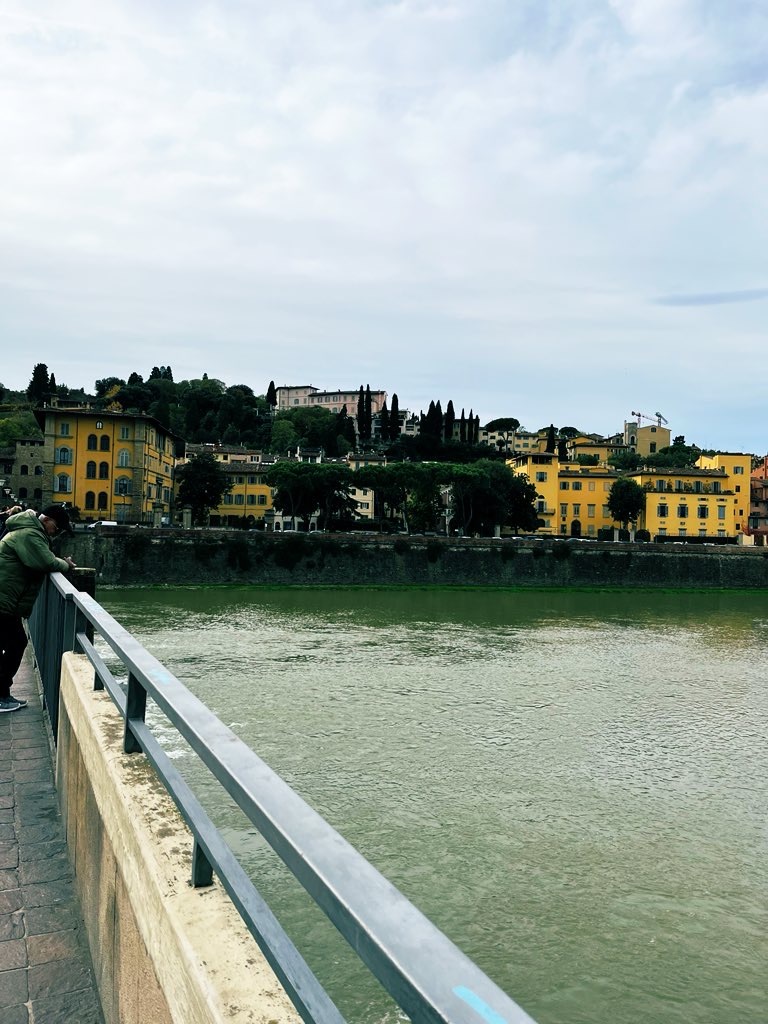
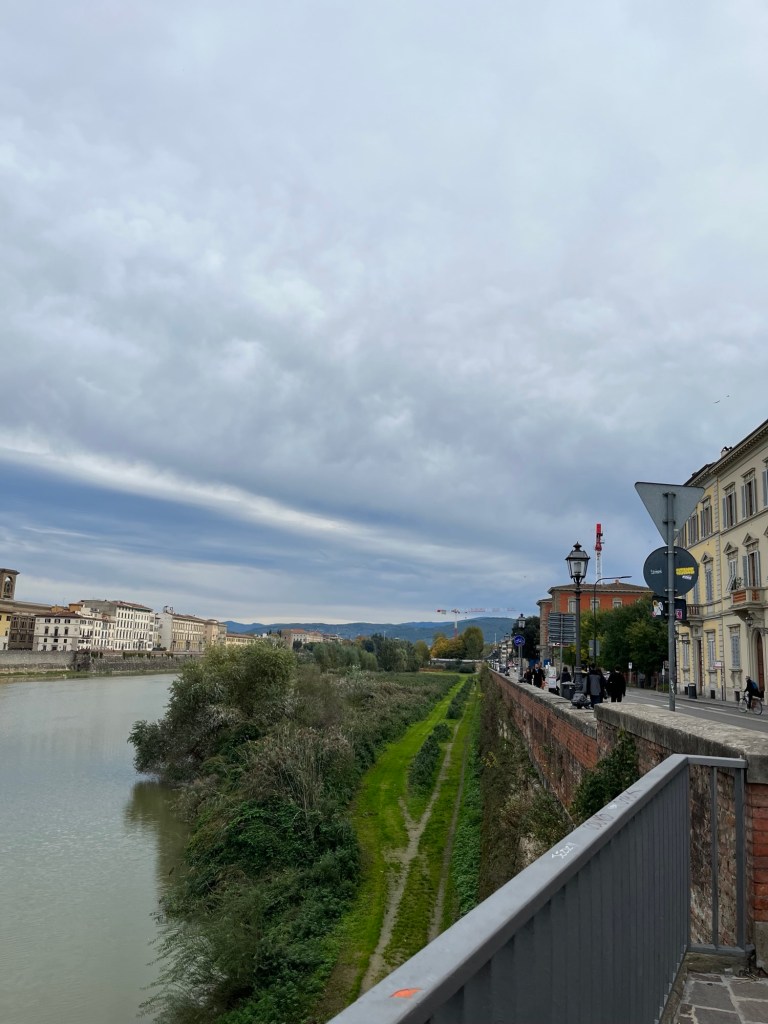
A bend in the road
To admire Florence’s landscape
I slow down my car


Thanks for your visit, dear friends
Anita Bacha.

A bend in the road
To admire Florence’s landscape
I slow down my car
Thanks for your visit, dear friends
Anita Bacha.
Moonlit night
Under Nature’s umbrella
Walking home
Anita Bacha
Good morning,my friends
Thank you for your visit

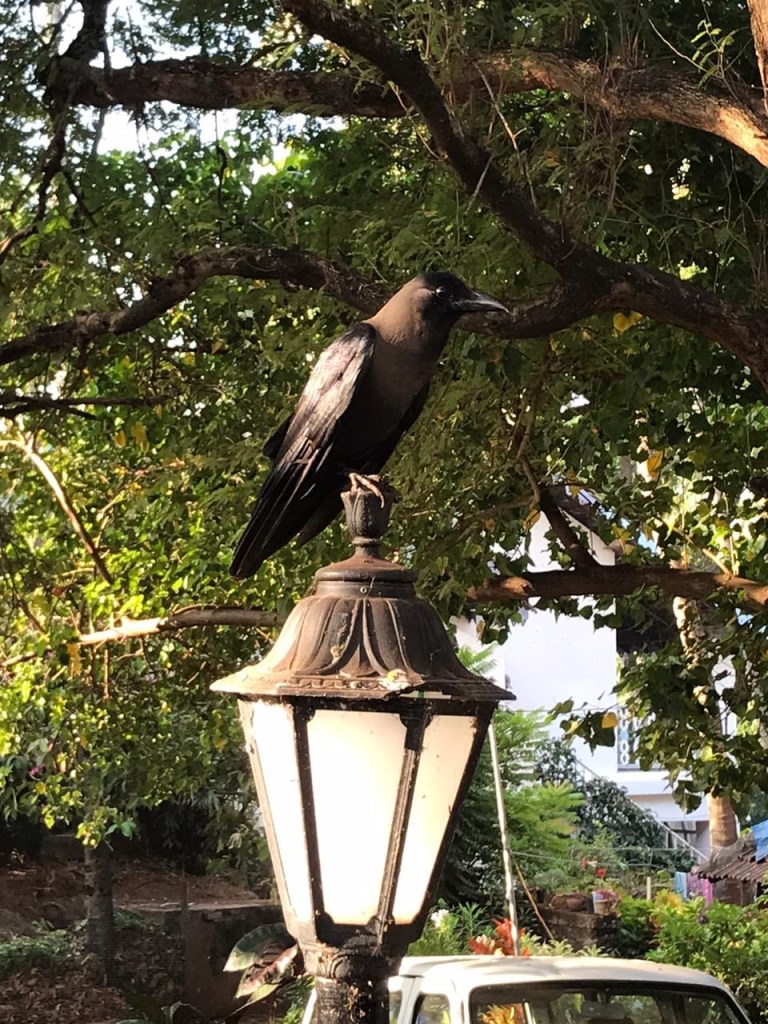
A perched observer
The crow watches the traffic –
Silent sentinel
Anita Bacha
Dear friends,poetry lovers and readers,
I am glad to announce that I have just added a new release to my repertoire –
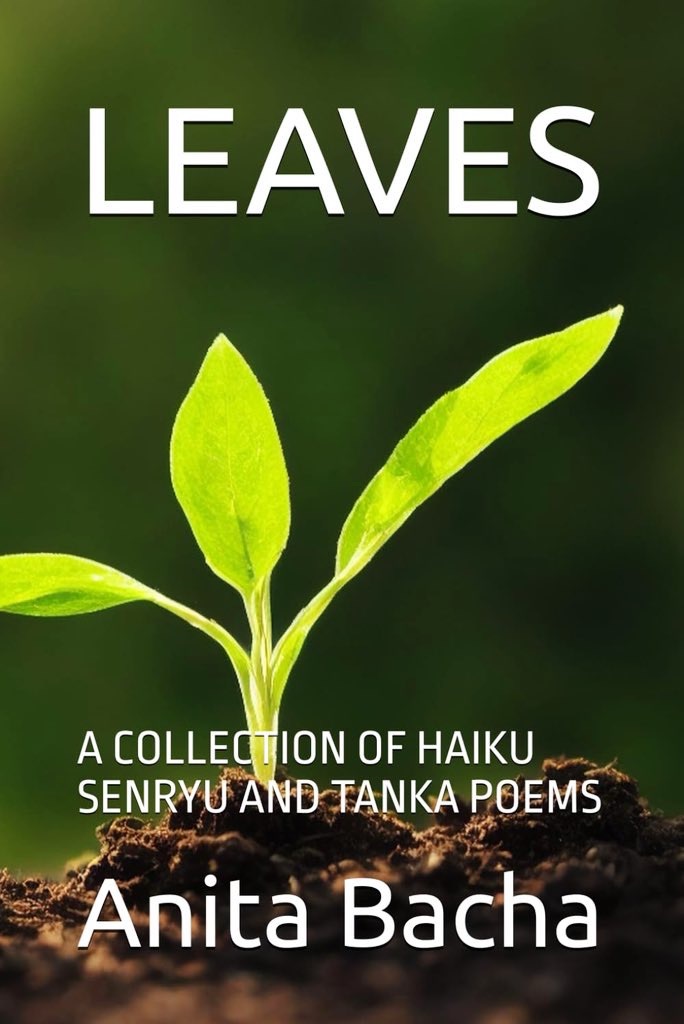
LEAVES
It’s a collection of short poems,namely haiku,senryu and tanka written fondly with you in mind.
I picked up my quill after a long illness to compile this collection of haiku, senryu and tanka poems which, has been a major part of my recovery.Writing every day, no thrice a day, is my secret potion. On a naughty note, I wanted to prove to my ophthalmologist that writing won’t make me blind.
What is Leaves about?
Choosing a title for a poetry book is not an easy task especially when it comes to a collection of short poems.
One morning, I was gazing at the overcast sky when a yellow leaf fell at my feet, followed by another, yet another. Deeply marveled and inspired by Mother Nature’s cycle of life, I have named my new collection of short poems, LEAVES. Each poem molded, shaped, colored differently is a leaf from Mother Nature’s Notebook.
This collection of traditional and modern haiku, senryu and tanka is divided in three parts. The first one consists of haiku unfolding the four seasons of the year, starting with summer and ending with winter. The second comprises senryu and, the third and last one includes tanka.
Haiku is a Japanese poem of traditionally seventeen syllables in three, short, unrhymed lines. Nature themes and imagery evoking a specific season of the year are the traditional focus of haiku poetry.
Haiku developed from the hokku, the opening lines of a longer poem known as tanka, an ancient form of poetry that consists of 5 lines in a 5/7/5/7/7 syllables count form. The tanka poem is traditionally about seasons, nature and emotions. Senryu is another short form Japanese poetry similar to haiku in construction with three lines and seventeen syllables count. Senryu, however, tend to be about human foibles; they are often cynical and darkly humorous. Haiku is more serious.
Whereas traditional haiku and senryu poets observe strictly the 5/7/5 syllables pattern, modern poets try different syllables count and formats to achieve a more minimalist style.
Intensely perfumed
Queen of Arabian Night
Silken petals rose
Shoreline stroll
Two feet and four paws
Prints in the sand
Happy Reading,my dear friends
Anita Bacha
For more kindly check out LEAVES

it rains in Brussels
as it downpours in my heart –
end of a day trip

Happy Sunday, My Friends
Anita Bacha
delicate peonies
fallen at the peak of bloom –
petals of lost love

Happy New Week, My Friends
Anita Bacha
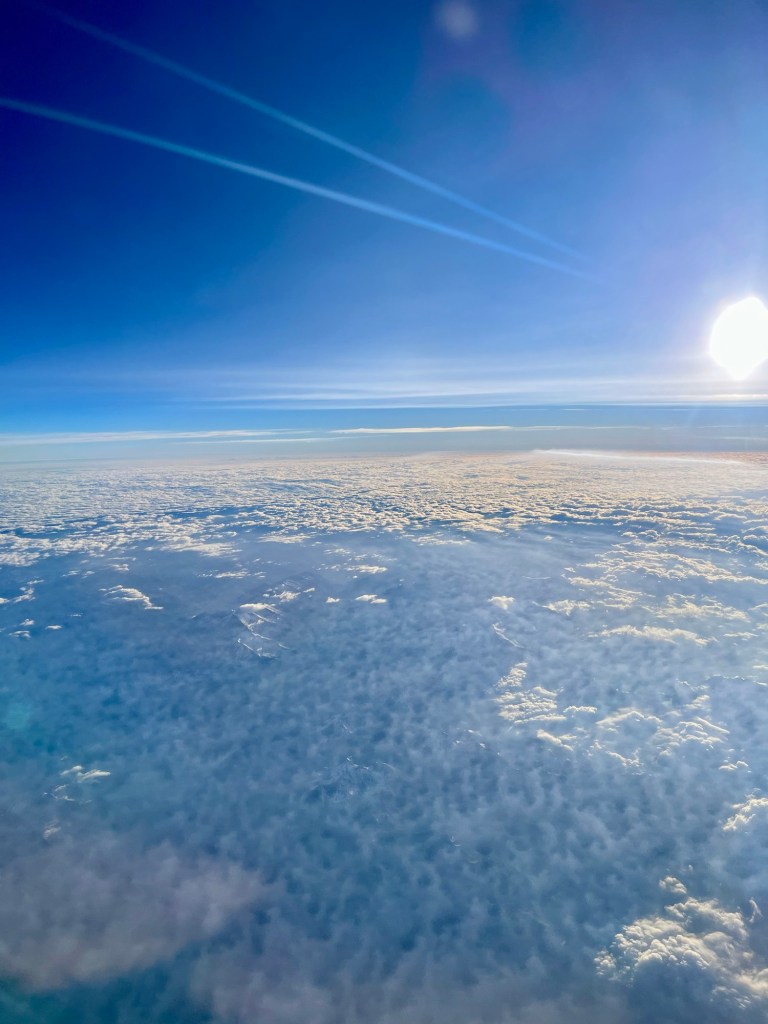
Sun bursting in light
Flying above cotton clouds –
In demure blue sky

Happy Summer Weekend, My Friends
Anita Bacha
Obon Festival
The light of an old lantern
Dispels the shadows
– Anita Bacha –
Many thanks and heartfelt gratitude to Japan Haiku Society for featuring my haiku ‘Obon Festival’ as Haiku of the Week (Week 33).
Congratulations to all the other selected poets.

http://www.japansociety.org.uk/haiku-corner
Sharing a few other haiku, thank you for your visit, my dear friends.


Spring early bloom
A bumblebee devours
The sweet honey
Anita Bacha

Thank you for your visit, my dear friends.
In a clear moonlight
The first peach blossom
Amidst marshmallows
Anita Bacha
A ku inspired by Mark S’ Naturalist Weekly Micro Season prompt “ The First Peach Blossoms (2023)”
Micro-Season: “The First Peach Blossoms” (2023)naturalistweekly.com




 Anita Bacha