Dear friends and readers, this poem is a revised and edited version of my original poem White Flowers in the Night. I was inspired by the prompt word vespertine to rewrite the original poem.
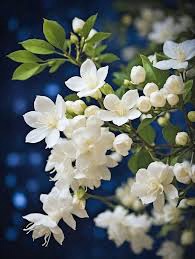
Vespertine is a poetic term for being active in the evening, or a flower that blooms in the evening. So, I’d guess the jasmine flowers that bloom in the night and are renowned for their rich,sweet,floral and musky aroma would be the perfect theme of my poem .
It’s also interesting to note that in India, the glam jasmine is known as Raat ke Rani (the Queen of the Night) .
Alluring ripples of silver and light blue floating
Bewitched by the sight
I drown myself in her beguiling soul
Anita Bacha
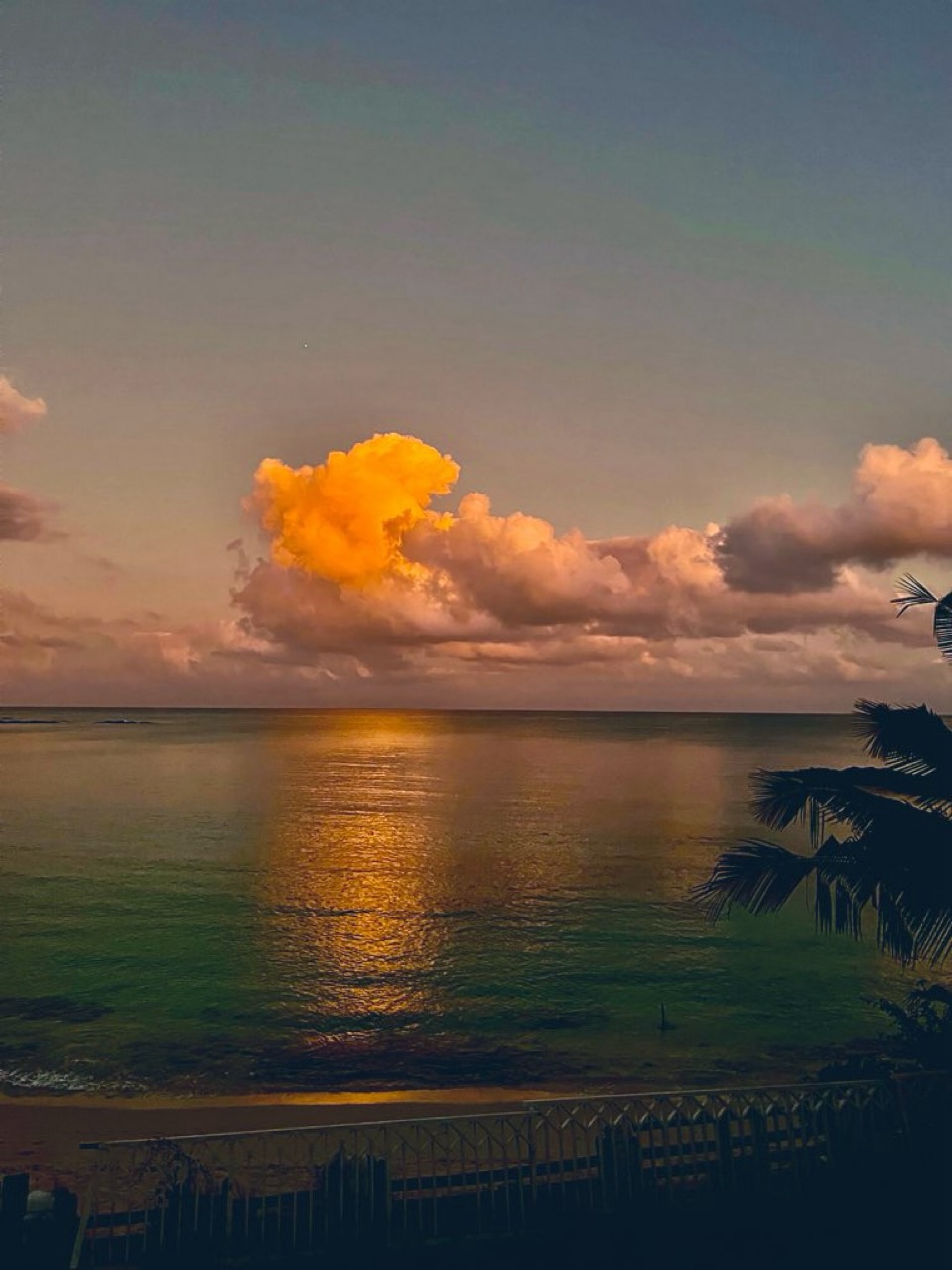
‘Yakamoz’ is a Japanese word meaning the reflection of the moon on the surface of water, it can be a lake,a river or the sea or any other expanse of water.
I have just learned this word.It strikes me by its beauty.
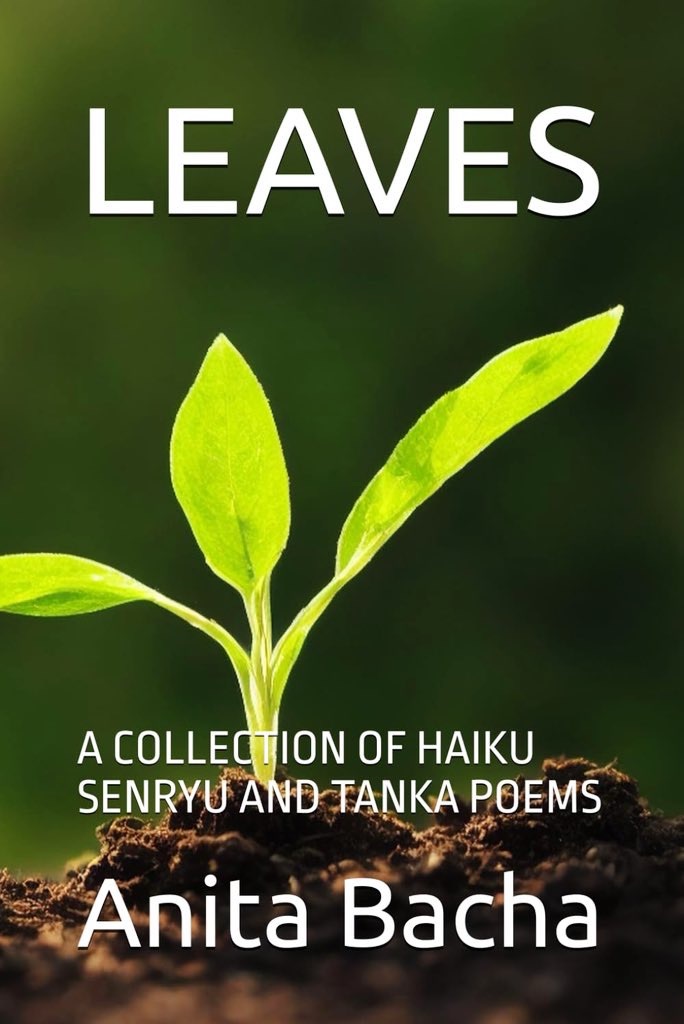
I am glad to announce that I have just added a new release to my repertoire –
LEAVES
It’s a collection of short poems,namely haiku,senryu and tanka written fondly with you in mind.
I picked up my quill after a long illness to compile this collection of haiku, senryu and tanka poems which, has been a major part of my recovery.Writing every day, no thrice a day, is my secret potion. On a naughty note, I wanted to prove to my ophthalmologist that writing won’t make me blind.
What is Leaves about?
Choosing a title for a poetry book is not an easy task especially when it comes to a collection of short poems.
One morning, I was gazing at the overcast sky when a yellow leaf fell at my feet, followed by another, yet another. Deeply marveled and inspired by Mother Nature’s cycle of life, I have named my new collection of short poems, LEAVES. Each poem molded, shaped, colored differently is a leaf from Mother Nature’s Notebook.
This collection of traditional and modern haiku, senryu and tanka is divided in three parts. The first one consists of haiku unfolding the four seasons of the year, starting with summer and ending with winter. The second comprises senryu and, the third and last one includes tanka.
Haiku is a Japanese poem of traditionally seventeen syllables in three, short, unrhymed lines. Nature themes and imagery evoking a specific season of the year are the traditional focus of haiku poetry.
Haiku developed from the hokku, the opening lines of a longer poem known as tanka, an ancient form of poetry that consists of 5 lines in a 5/7/5/7/7 syllables count form. The tanka poem is traditionally about seasons, nature and emotions. Senryu is another short form Japanese poetry similar to haiku in construction with three lines and seventeen syllables count. Senryu, however, tend to be about human foibles; they are often cynical and darkly humorous. Haiku is more serious.
Whereas traditional haiku and senryu poets observe strictly the 5/7/5 syllables pattern, modern poets try different syllables count and formats to achieve a more minimalist style.









 Anita Bacha